Get Breaker Replacement
Breaker Replacement services help property owners resolve electrical issues by replacing faulty or outdated circuit breakers in residential and commercial electrical systems.
Property owners considering breaker replacement often seek reliable solutions to ensure their electrical systems remain safe and functional. Whether upgrading outdated panels, addressing frequent tripping issues, or preparing for new appliances and renovations, having the right local contractors can make the process smoother. Exploring options within the community allows for comparison of services and expertise, helping property owners plan projects confidently and select providers best suited to their specific needs.
If you are evaluating breaker replacement, continuing to explore local service providers can provide valuable insights into available options. Connecting with experienced contractors in the area can support informed decision-making and help ensure the work aligns with your property’s requirements. Keep reading to learn more about how local pros can assist with your electrical upgrade projects.
- individuals may need breaker replacement services when circuit breakers frequently trip or fail to reset. - homeowners might seek breaker replacement if they experience electrical surges or flickering lights. - property owners may require breaker replacement during renovations or electrical system upgrades. - tenants or landlords could need breaker replacement if safety concerns arise from outdated or damaged breakers. - businesses might look for breaker replacement services when electrical panels show signs of wear or malfunction.
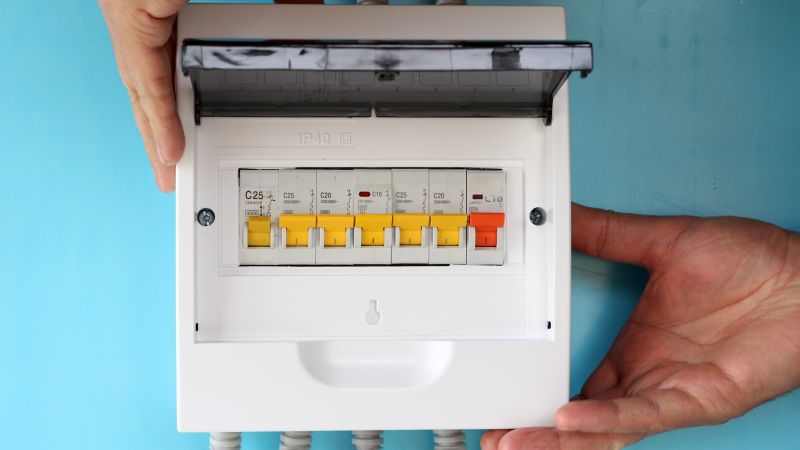
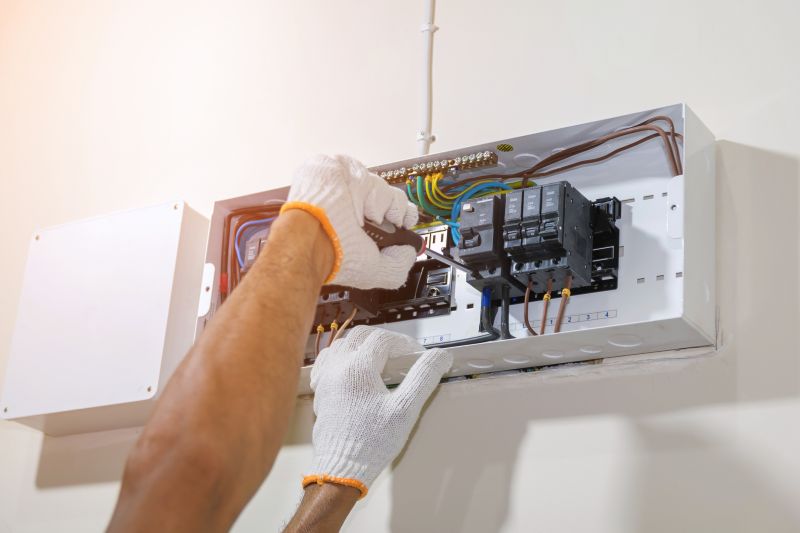
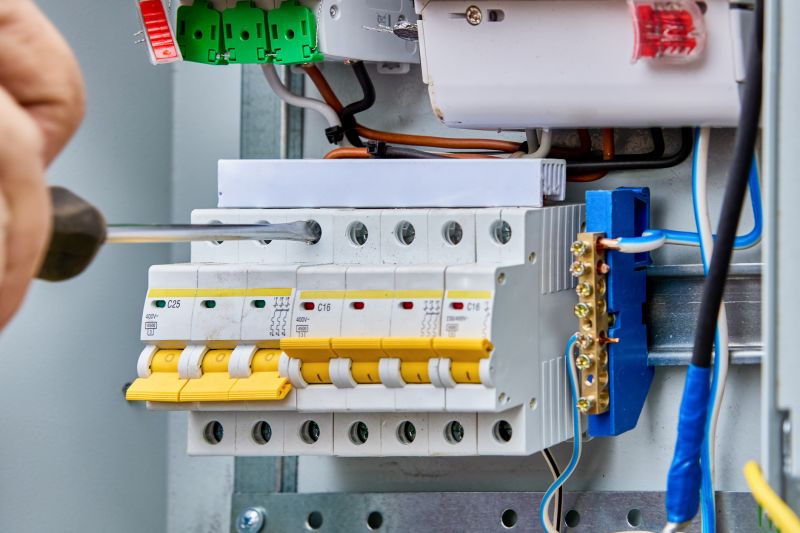
Breaker replacement services involve removing an outdated or malfunctioning electrical breaker and installing a new unit to ensure the safe and reliable operation of a home's electrical system. This process typically includes disconnecting the existing breaker, inspecting the panel for any underlying issues, and securely installing a compatible replacement that meets the property's electrical needs. Professional service providers handle all aspects of the replacement to help maintain electrical safety and prevent potential hazards caused by faulty breakers.
Many problems can signal the need for breaker replacement, including frequent tripping of the circuit breaker, signs of burning or scorching around the breaker panel, or a breaker that won’t reset after tripping. These issues might indicate that the breaker is worn out, overloaded, or damaged, which can increase the risk of electrical fires or damage to appliances. Replacing a faulty breaker helps restore proper circuit function, prevents electrical failures, and enhances overall safety within the property.
Breaker replacement services are commonly used in a variety of property types, including single-family homes, multi-family residences, and commercial buildings. Older homes with outdated electrical panels often require upgrades or replacements to meet modern electrical demands. Similarly, properties experiencing frequent electrical issues or undergoing renovations may need new breakers to support additional circuits or upgraded electrical loads. Service providers work with homeowners and property managers to ensure the electrical system is safe, efficient, and compliant with current standards.
Homeowners should consider breaker replacement if they notice persistent electrical problems, such as flickering lights, tripped circuits, or a breaker that won’t stay reset. It’s also advisable to have a professional evaluate the electrical panel if there are signs of damage or burning smells. Local contractors specializing in breaker replacement can assess the situation, recommend the appropriate solution, and handle the installation safely and effectively. Proper maintenance and timely replacement of faulty breakers can help prevent more serious electrical issues and protect the property’s electrical infrastructure.
The overview below groups typical Breaker Replacement projects into broad ranges so you can see how smaller, mid-sized, and larger jobs often compare in your area.
In many markets, a large share of routine jobs stays in the lower and middle ranges, while only a smaller percentage of projects moves into the highest bands when the work is more complex or site conditions are harder than average.
Smaller Repairs - minor breaker replacements typically cost between $250 and $600 for many routine jobs. Many local contractors handle these repairs efficiently within this range. Fewer projects will fall into the highest tiers, which can reach up to $1,200 or more.
Standard Replacement - replacing a breaker in a standard residential panel usually costs between $600 and $1,200. This range covers most typical installations and replacements. Larger, more complex projects can exceed this range, reaching up to $2,500 in some cases.
Full Panel Replacement - upgrading or replacing an entire electrical panel with new breakers often costs between $1,500 and $3,500. Many projects fall into this middle range, while more extensive upgrades can cost $4,000 or higher depending on the scope.
Complex or Custom Installations - specialized breaker replacement services for custom or commercial systems can range from $2,000 to over $5,000. These projects are less common and typically involve additional wiring or system modifications that increase costs.
Actual totals will depend on details like access to the work area, the scope of the project, and the materials selected, so use these as general starting points rather than exact figures.
Electrical Panel Upgrades - electricians who upgrade or replace electrical panels often have similar skills in handling breaker replacements and ensuring proper electrical connections.
Circuit Breaker Repairs - service providers specializing in circuit breaker repairs possess the expertise to troubleshoot and replace faulty breakers safely and efficiently.
Main Service Panel Replacement - contractors experienced in main panel replacement are familiar with the planning and tools needed for breaker installation and system upgrades.
Electrical Wiring Replacements - professionals replacing outdated or damaged wiring work closely with breaker systems to ensure electrical safety and code compliance.
Generator Installation - installing backup generators requires knowledge of electrical systems, including breaker panels, to integrate power sources properly.
Electrical System Inspections - inspectors who evaluate electrical systems often identify issues related to breaker functionality and recommend replacements or upgrades.
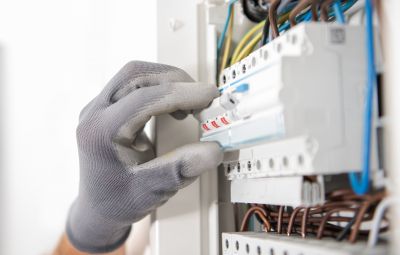
When comparing local contractors for breaker replacement services, it’s important to consider their experience with similar projects. Homeowners should look for service providers who have a proven track record in handling electrical panel work, specifically breaker replacements. An experienced professional is more likely to understand the nuances of different electrical systems and can help ensure the job is completed safely and correctly. Checking how long a contractor has been performing this type of work and whether they have worked on projects similar in size and complexity can provide valuable insight into their capabilities.
Clear, written expectations are essential when evaluating potential service providers. Homeowners should seek contractors who can provide detailed descriptions of the scope of work, including the materials to be used, the process involved, and any necessary preparations. Having this information in writing helps prevent misunderstandings and ensures everyone is aligned on what the project entails. It’s also beneficial to ask for a written estimate or proposal that outlines the services to be performed, so there are no surprises once the work begins.
Reputable references and good communication are key factors in choosing a reliable local contractor. Homeowners can ask service providers for references from past clients who had similar breaker replacement work done. Contacting these references can offer insights into the contractor’s professionalism, reliability, and quality of work. Additionally, good communication throughout the process-such as responsiveness to questions and clarity in explanations-can make the experience smoother and more transparent. It’s important to work with service providers who prioritize clear, open dialogue to ensure all concerns are addressed and expectations are met.
Property owners use Breaker Replacement services for practical projects around their homes and businesses. This guide focuses on everyday jobs and straightforward project options.
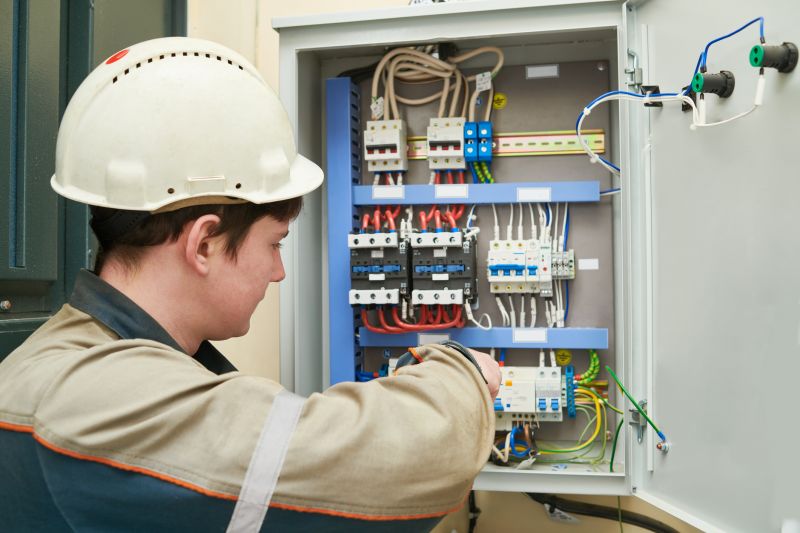
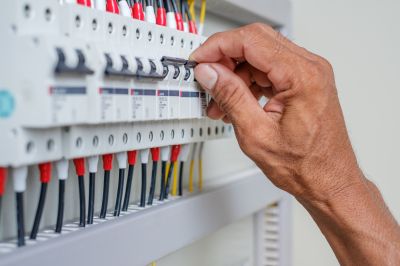
Breaker replacement is a common need for property owners dealing with frequent tripping circuits or outdated electrical panels. In many cases, a breaker may fail due to age, wear, or electrical overloads, leading to inconvenience or potential safety concerns. Local contractors specializing in electrical services can assess the situation, identify faulty breakers, and provide professional replacement to restore safe and reliable power to the property.
Homeowners and property managers often seek breaker replacement services when upgrading their electrical systems or addressing recurring issues. Whether installing a new breaker to support additional appliances or replacing a malfunctioning one to prevent electrical hazards, experienced local service providers can handle these projects efficiently. Connecting with qualified contractors ensures that breaker replacements are performed correctly, helping to maintain the safety and functionality of the electrical system.
What causes a breaker to need replacement? Breakers may need replacement if they frequently trip, show signs of damage, or fail to reset properly, indicating they are no longer functioning correctly.
How do I know if my breaker needs to be replaced? Signs include persistent tripping, physical damage, burning smells, or visible corrosion, which suggest the breaker may require replacement by a professional.
Can a homeowner replace a breaker themselves? Replacing a breaker involves working with electrical components and should be performed by qualified local contractors to ensure safety and proper installation.
What types of breakers are available for replacement? There are various types of breakers, such as single-pole, double-pole, and GFCI breakers, which can be matched to existing panels by local service providers.
Why should I hire a professional for breaker replacement? Hiring experienced local contractors ensures the job is done safely, correctly, and in compliance with electrical standards.
Breaker Replacement for Electrical Safety - Ensuring your electrical system is safe and up to code by replacing outdated or faulty breakers in your home or business.
Upgrading for Modern Power Needs - Installing new breakers to support additional appliances or renovations that increase electrical demand.
Preventing Power Outages - Replacing worn or damaged breakers to help maintain consistent power supply and avoid unexpected outages.
Improving Energy Efficiency - Upgrading breakers to more efficient models that can help manage energy use better in your property.
If you are thinking about Breaker Replacement for a property, this guide is meant to help you understand the work, the typical project types, and how different options might fit your plans.
When you are ready, you can use the quote form on this page to share a few details about your project. From there, local pros can review the basics and respond with options that match what you have in mind.